
The Pro-Rata Method. How Medicaid Liens Actually Get Reduced.

AI Reality Check: What Is Working in Personal Injury Firms Right Now
Every personal injury firm is being pitched AI tools right now. Very few are seeing real returns.
A recent MIT study found 95 percent of companies cannot draw a straight line from their AI spend to any measurable result. Uber’s …
Beyond Ahlborn. How Wos Protects Injury Victims from Arbitrary State Recovery.
Nick Norden: Your Ego Is the Thing Slowing Your Firm Down
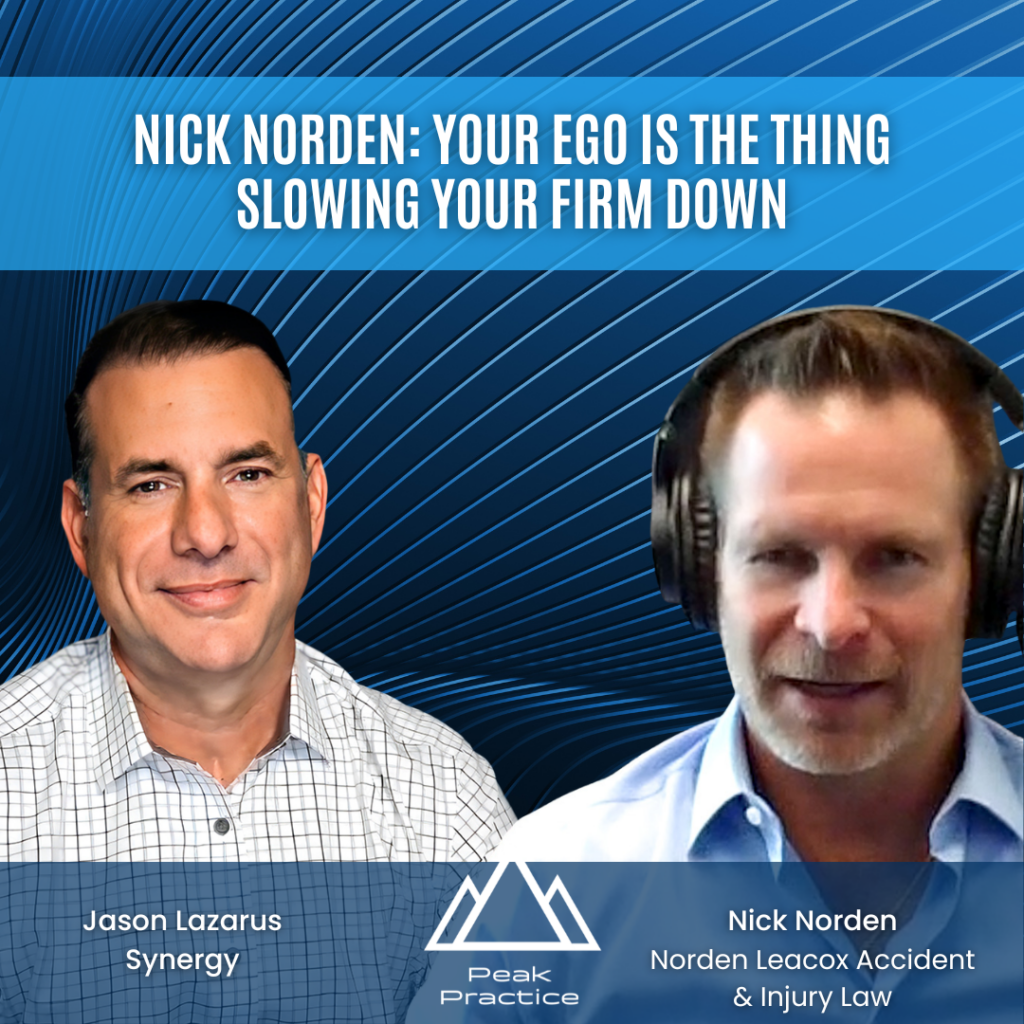
Most trial lawyers think the hard part is winning. You try the case, you get the verdict, you move on to the next one. Then you start your own firm and learn the truth. Winning cases and running a firm …
Ahlborn Explained: How the Supreme Court’s Decision Limits State Medicaid Recovery to the Medical Portion of a Settlement.
What Formal Opinion 2015-190 means for Medicare Secondary Payer compliance, conflict of interest exposure, and where your team should focus its time
In April 2026, the Oregon State Bar Board of Governors approved a revised version of Formal Opinion 2015-190. The opinion takes a clear position on a settlement practice you have seen plenty of times. A defense lawyer asks you to …
Part C: The Hidden Lien That Comes Back Later

How to Avoid Medicare Conditional Payment Mistakes That Delay Settlement
What Are the Critical Process Steps to Medicare Conditional Payment Resolution?
How to Navigate Conditional Payment Resolution
